

The Many Uses of Cardboard in Everyday Life
Cardboard is often seen as a mundane material, but its versatility is astounding. It can be found in our homes, offices, and even in innovative projects. From packaging to art, cardboard has a multitude of uses that serve practical purposes and inspire creativity. In this blog post, we will explore the different ways cardboard can be utilized in our day-to-day lives, and you'll be surprised at how many applications it has.
Cardboard Uses
One of the most common uses of cardboard is in packaging. Cardboard boxes are essential for transporting goods securely. They are lightweight yet sturdy, making them an ideal choice for shipping various items. Many businesses rely on high-quality cardboard boxes to ensure their products arrive safely at their destination. Furthermore, cardboard is recyclable, which makes it an environmentally friendly option for packaging.
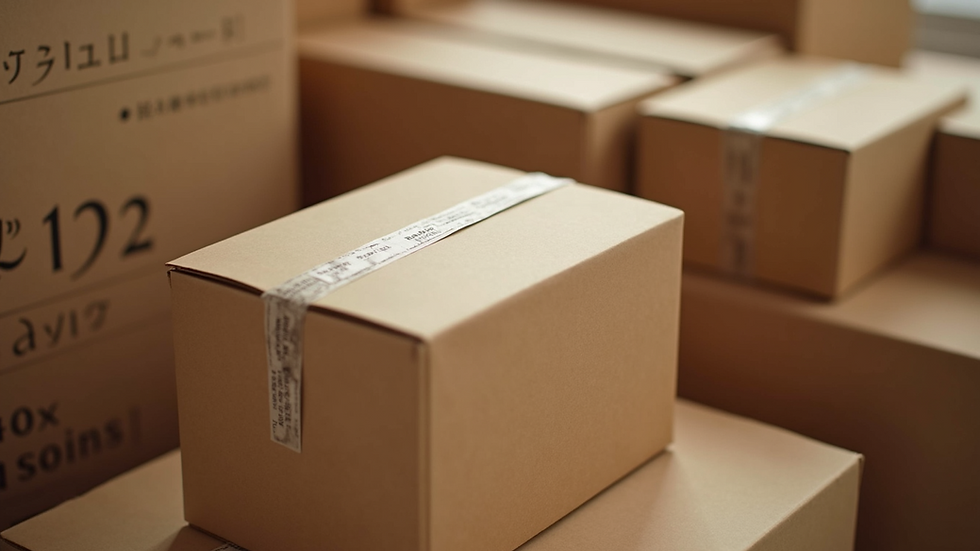
Additionally, cardboard can be found in the retail space. Stores use cardboard displays to showcase products. These displays are not only cost-effective but also customizable, allowing businesses to promote their brands effectively. Retailers often create eye-catching point-of-sale displays from cardboard to attract customers and boost sales.
Creative Packaging Solutions
Beyond traditional uses, cardboard packaging can be creatively adapted. For instance, businesses are now combining aesthetics with functionality. This trend involves using corrugated cardboard to create unique packaging designs that stand out. By employing bold graphics and artistic touches, companies can enhance their brand identity while maintaining ecological responsibility.
When considering sustainable practices, many organizations have embraced recycled cardboard. Using recycled materials not only conserves resources but also reduces waste. A study by the EPA found that recycling cardboard saves approximately 24% of the energy used to produce new cardboard from raw materials—an impressive statistic that highlights the benefits of thoughtful packaging.

Crafting with Cardboard
Cardboard is not just for packaging; it also serves as a canvas for creativity. Many people engage in crafting projects using cardboard, transforming it into art pieces, models, or even functional items like furniture. Due to its accessibility, cardboard is a preferred material among artists and DIY enthusiasts.
For example, cardboard can be used to create elaborate home decor items. You can make beautiful wall art, storage solutions, or even customized furniture for a fraction of the cost of traditional materials. Many instructional resources are available online, providing step-by-step guides for creating various cardboard crafts, making it easy to dive into this engaging hobby.
Moreover, designing with cardboard offers a great opportunity to experiment without fear. If you make a mistake, it's just cardboard! You can easily recycle your failed attempts and start fresh, making it an enjoyable and low-stakes creative outlet.
Cardboard in Education
Cardboard also finds significant applications in educational settings. Teachers and students often utilize cardboard for various projects, from simple 3D models to more complex interactive sculptures. Its lightweight nature makes it perfect for classroom activities, allowing students to bring their ideas to life.
In recent years, some educational programs have incorporated cardboard engineering into their curriculum. These programs encourage students to think critically about design and engineering concepts while using simple materials like cardboard. This hands-on approach fosters creativity, problem-solving skills, and teamwork.
Moreover, many educators have embraced the concept of “Maker Spaces,” where students can collaborate on projects using cardboard and other recycled materials. These spaces often inspire innovation and ingenuity, equipping students with essential skills for future careers.

Sustainability and Environmental Impact
As society grows more conscious of environmental impacts, cardboard is becoming increasingly important. Its recyclability makes it a key player in sustainable living. By choosing cardboard instead of plastic or other non-biodegradable materials, consumers can make a positive impact on the environment.
Moreover, many companies are adopting eco-friendly practices by incorporating cardboard into their operations. By switching to sustainable packaging solutions, they attract environmentally-minded consumers who prioritize green practices. This shift has led to a growing market for recycled cardboard products and sustainable packaging options.
Not only is cardboard lightweight, which reduces transportation emissions, but its production process requires less energy compared to plastic. Choosing cardboard packaging leads to less waste in landfills, contributing to a healthier planet.
Final Thoughts
In conclusion, cardboard's versatility extends well beyond its common applications in packaging. From creative projects to educational tools, it offers numerous benefits in our everyday lives. By embracing cardboard, we can cultivate creativity, promote sustainability, and find innovative solutions to everyday challenges.
So next time you encounter a cardboard box, consider all the ways this simple material can be transformed and utilized. Whether for crafting, education, or sustainable packaging, cardboard truly deserves a spot in our world. Embrace its potential not just as a source of delivery, but as a gateway to creativity and innovation.
By understanding and exploring the various uses of cardboard, we can enhance our daily experiences and contribute positively to our environment. Remember, the possibilities are endless when you think outside the box—literally!


Comments